
TB Deaths Are Caused by Injustice
Tuberculosis (TB) is a disease of inequality. Every 20 seconds, someone in the world dies of TB, even though it has been curable since the 1950s. Poor living conditions, inadequate nutrition, and limited access to care fuel its spread and deepen cycles of poverty. Drug resistance and underfunded health systems make diagnosing, treating, and preventing TB even harder—and a matter of social justice.
For 40 years, Partners In Health has shown that eliminating TB is possible. Working alongside patients, scientists, and policymakers, we challenge the status quo—driving down drug prices, pioneering treatment strategies, and expanding access to lifesaving care. With your support, we work to ensure the latest innovations reach those who need them most.

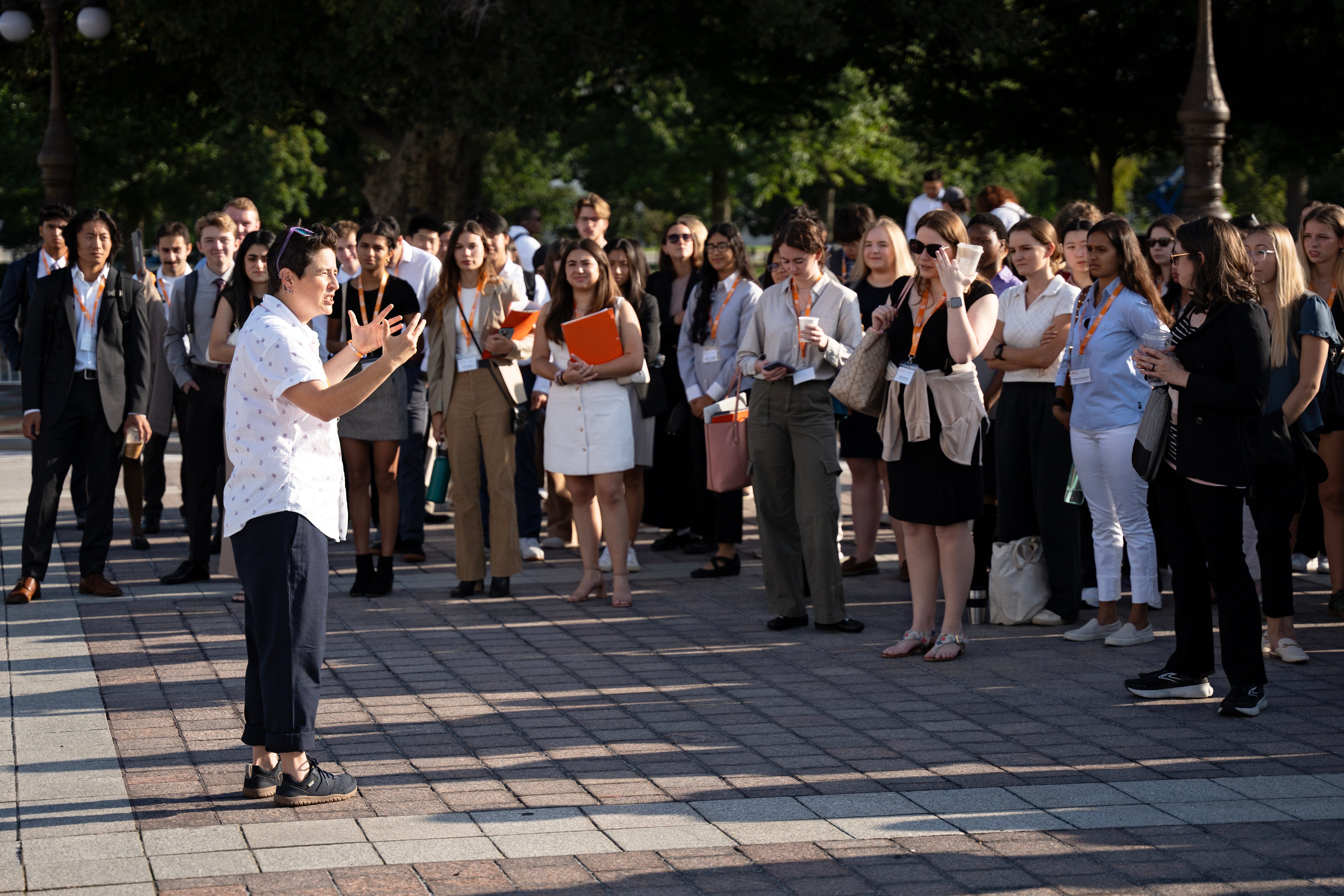
Samiha Reza, a Network Leadership Team Coach, and her team meet with legislative staff members for Democratic California House Representative Mark DeSaulnier at the Cannon building. (Photo Courtesy of PIH)
In 2023, tuberculosis made 10.8 million people ill and killed 1.25 million, more than HIV and malaria combined. No one should die of TB because they lack access to diagnosis and treatment. That same year, PIH provided TB care across nine countries, conducting over 36,000 tests for patients with suspected TB. Among PIH-supported TB patients, 84% successfully completed a full course of treatment.
Support Partners In Health in Eliminating Deaths from Tuberculosis
PIH has spent more than two decades bringing TB care to communities facing poverty and barriers to treatment—including people living with drug-resistant TB and HIV/TB co-infections. Our community-based approach brings care closer to home, pairing medical treatment with practical support to help patients stay in care and complete their treatment.
By addressing both the disease and the conditions that make recovery difficult, PIH has achieved some of the highest cure rates and lowest rates of treatment interruption ever recorded.